

-
Gastein Valley
-
Ski & Mountain
-
Health & thermal spas
-
Experiences & Events
-
Service
-
My Gastein experience


Consciously Natural
Preserve what sustains us. Create what strengthens us.
Sustainability in Gastein
Sometimes it's not about doing more, but doing less: slowing down, letting go of obligations. And making more room to breathe.
Gastein aims to offer its guests a vacation where they can consciously experience nature, regional cuisine, culture, and life in the valley—whether through hiking, forest bathing, themed trails, our regional delicacies, or cultural events.
For us,sustainable development means preserving the foundations for precisely these experiences and developing them further, step by step — together with the people, businesses, communities, and organizations in the valley.
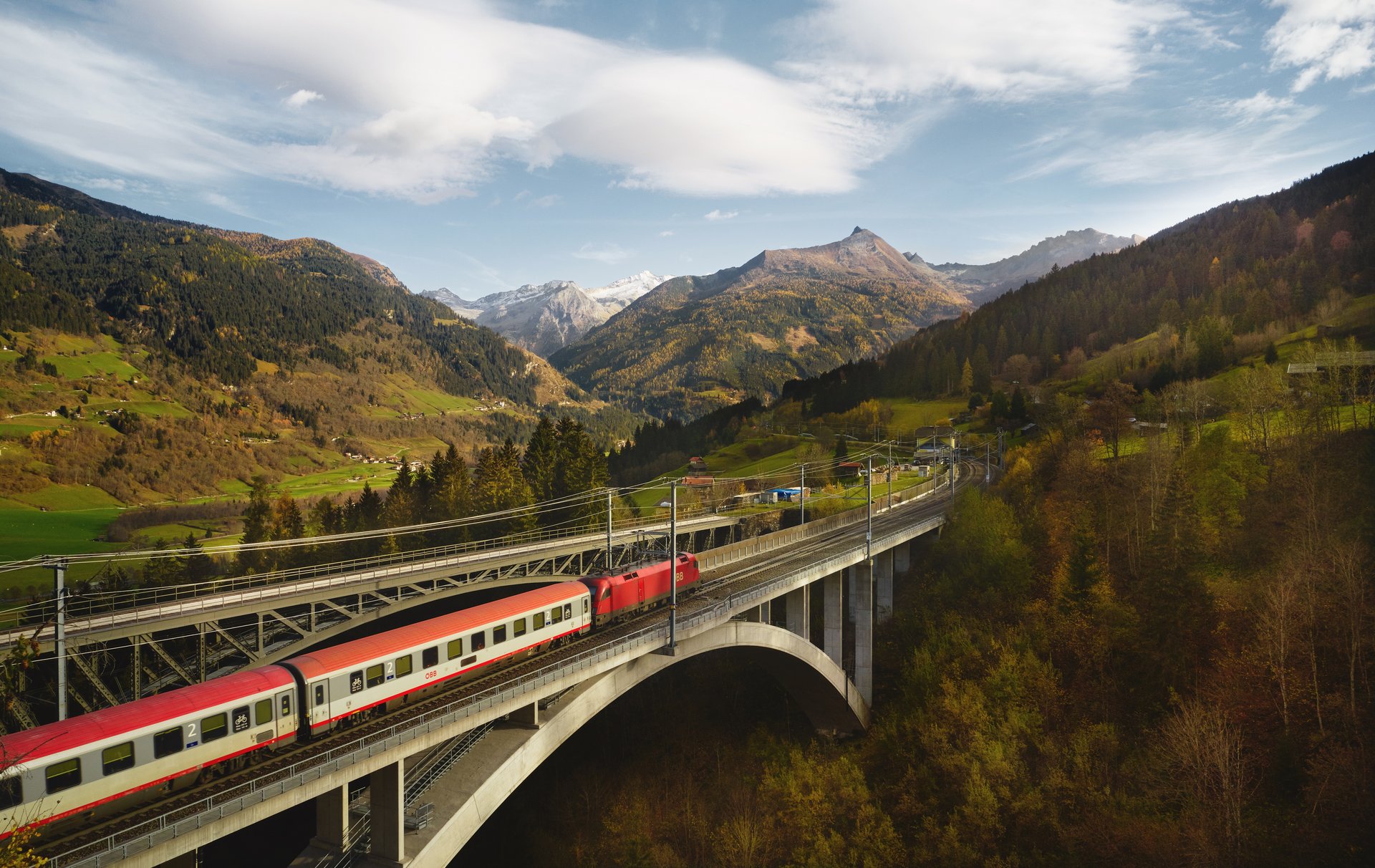
Gemeinsam auf dem Weg zur Umweltzeichen Destination
Gastein is currently undergoing the certification process for the Austrian Eco-Label for Tourism Destinations – the state-awarded seal of approval for verified sustainability in tourism. It confirms that businesses, destinations and event venues are taking on environmental, social and economic responsibility and meeting clearly defined criteria set by the Federal Ministry for Climate Protection, the Environment, Energy, Mobility, Innovation and Technology.
The first step is to take a close look:
- What is already working well?
- Where is there room for improvement?
- And which areas would we like to develop further together in the coming years?
We do not view the Eco-Label as an end in itself, but rather as a joint development process. It helps us to consolidate existing activities, highlight progress and continue working in areas where action is still needed.
Our businesses with certified eco-labels
Sustainable development takes place not only at the destination level, but also directly within individual businesses.
Several lodging establishments in Gastein have already been awarded the Austrian Ecolabel. For guests, the Ecolabel serves as a guide: Certified businesses meet established sustainability criteria and are regularly inspected.
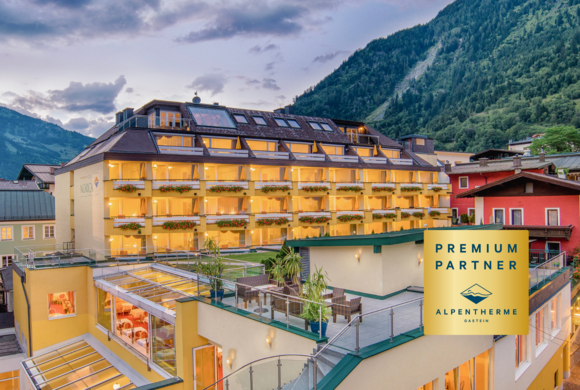
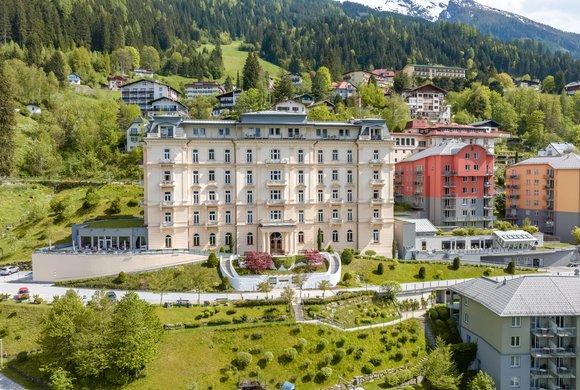
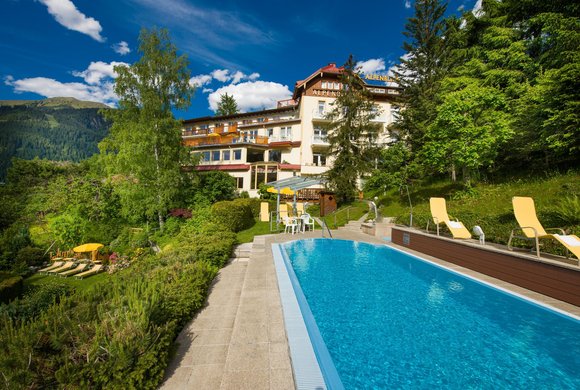
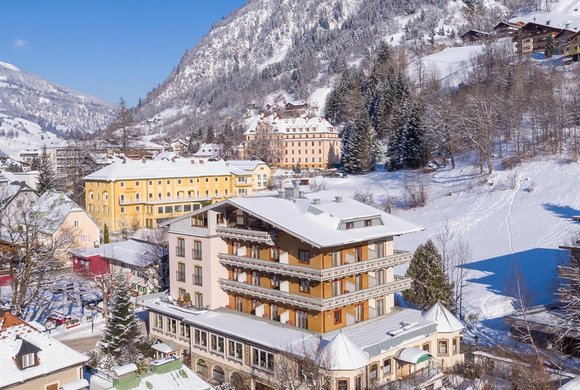
Other businesses are currently in the process of obtaining certification.
Sustainable Tourism and Corporate Responsibility
Many measures that make a tourism business more sustainable are not even visible to guests at first glance. They take place behind the scenes—for example, through the responsible use of energy and resources, regional sourcing, waste management, technology and mobility, or through collaboration with regional businesses and partners.
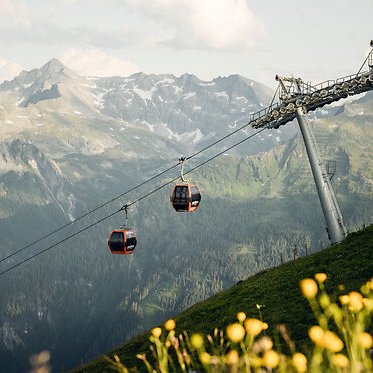
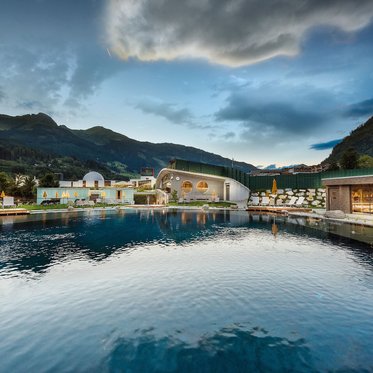
Even larger tourism businesses in Gastein are addressing these issues and implementing various measures. The specific priorities vary from business to business.
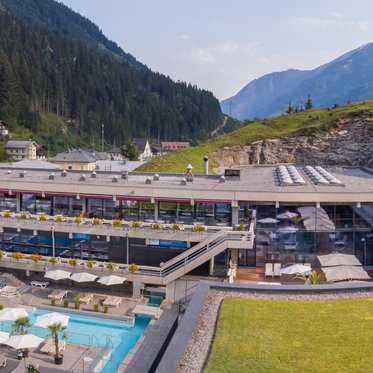
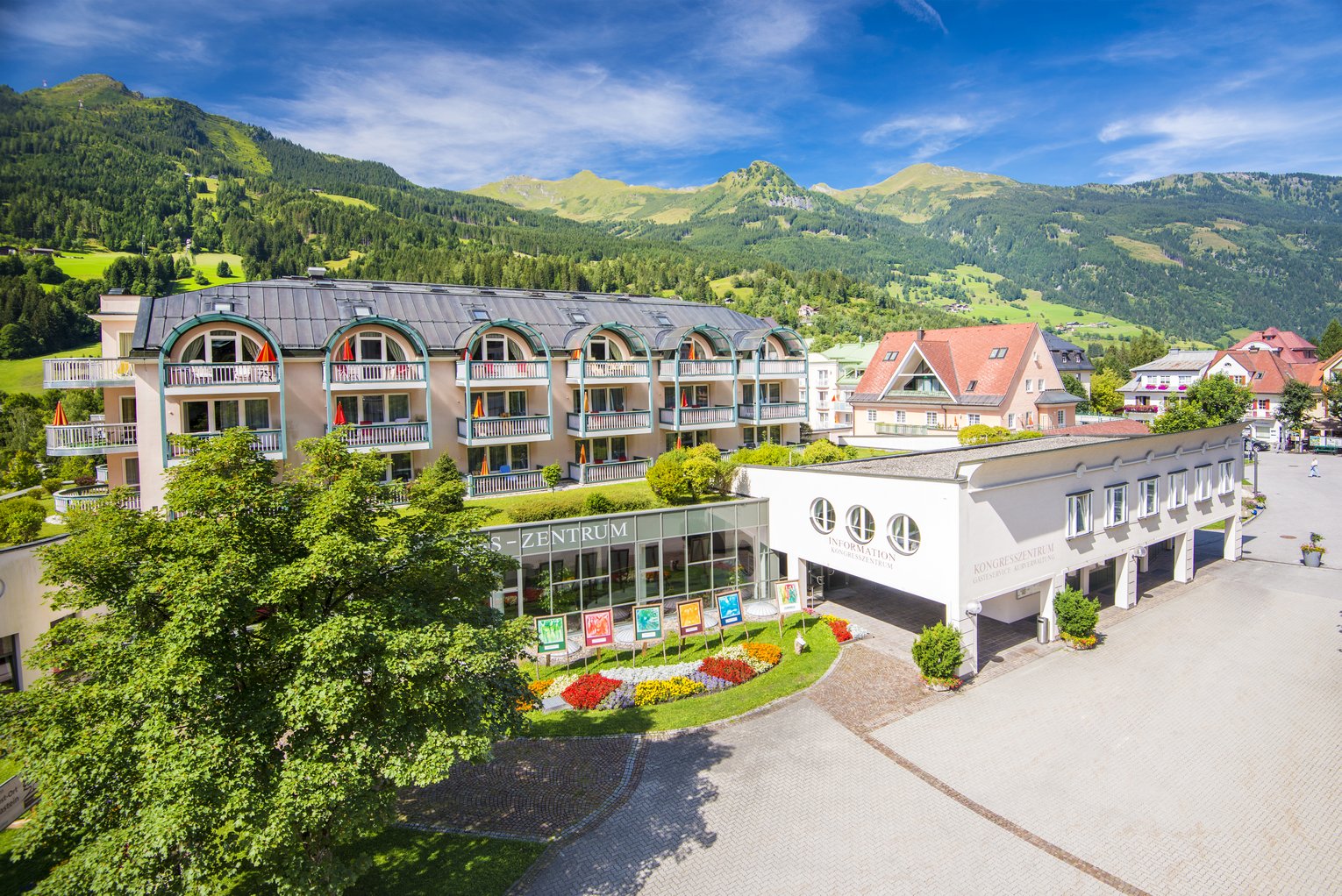
Bad Hofgastein Convention Center
The Bad Hofgastein Convention Center is certified as a "Green Location " under the Austrian Ecolabel program and thus meets defined requirements for more environmentally conscious event operations.
Experience nature. Give nature space.
Perhaps it is precisely this closeness to nature that makes so many moments in Gastein special: a quiet walk through the forest, the murmur of a mountain stream, a day in the national park, or a hike to one of our mountain lakes.
But this landscape isn’t just a backdrop for vacations. It’s a habitat for animals and plants, a working environment for alpine farming and forestry, and an important part of life in the Gastein Valley.
That is why there are areas where nature enjoys special protection.
A Valley with Protected Areas
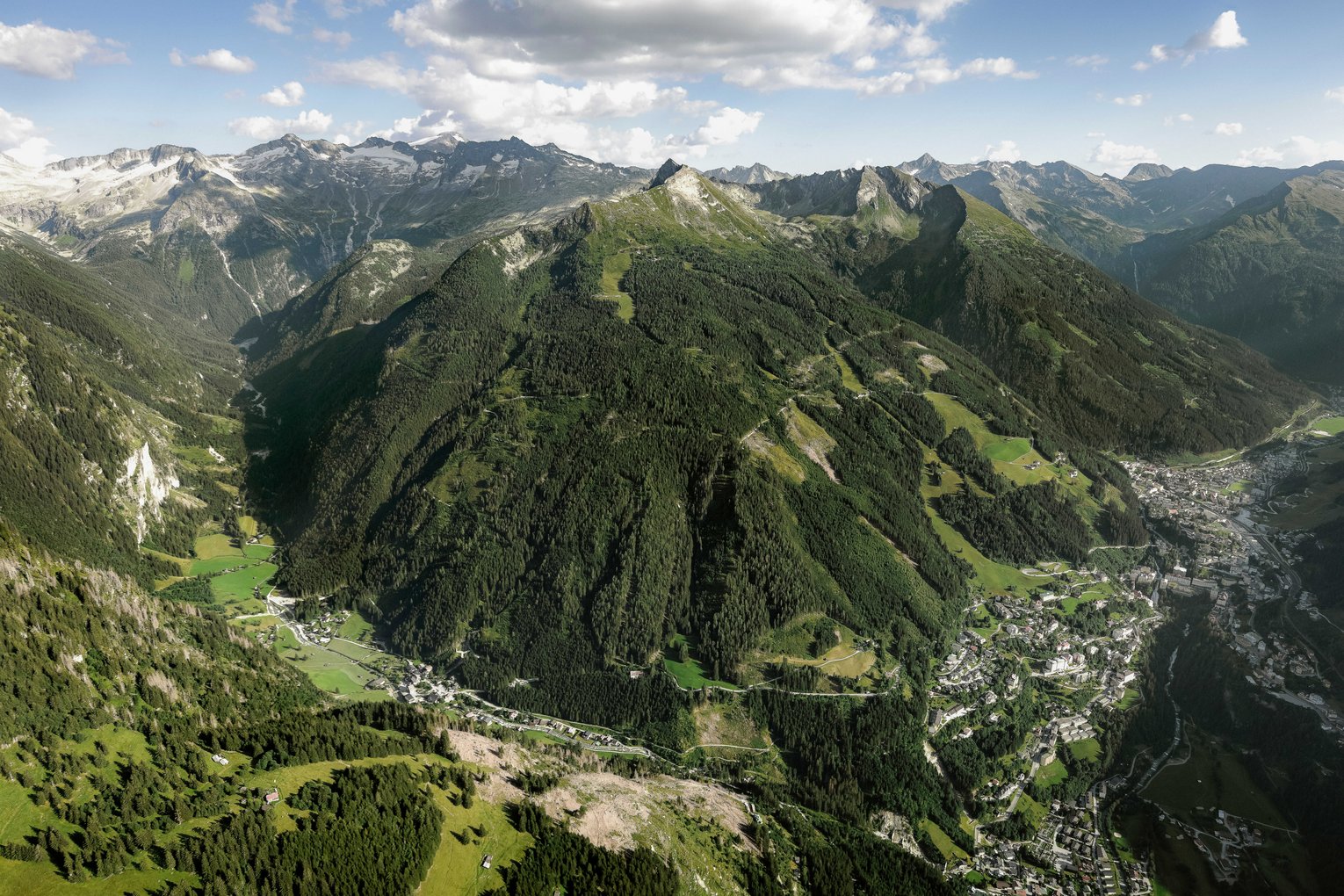
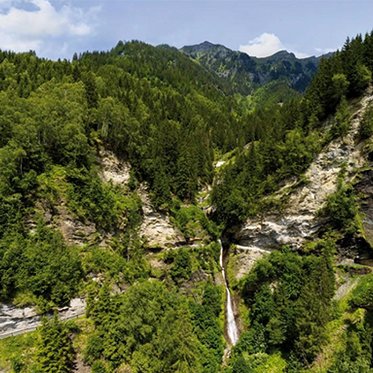
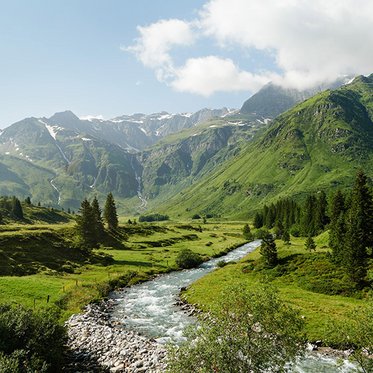
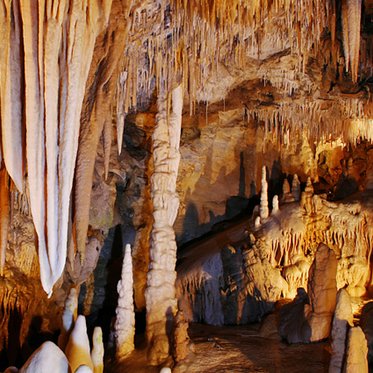
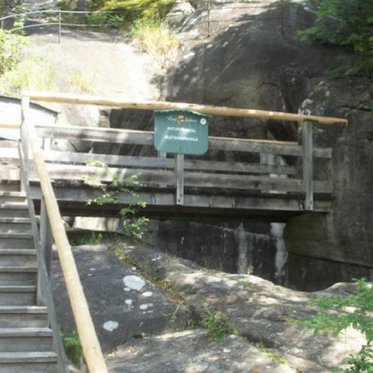
A large part of the Gastein Valley is protected. In addition to the Hohe Tauern National Park, there are other protected areas, natural monuments, and valuable biotopes that define the Gastein Valley.
About 43% of the Gastein Valley is protected. Many of these special natural sites can also be experienced firsthand.
Who else lives here?
Anyone spending time outdoors shares the natural environment with many others. Gastein provides a habitat for a wide variety of animal and plant species— including protected and endangered species.
Some of these are easy to spot, while others live in seclusion or need extra peace and quiet during certain times of the year .
Information about species, habitats, and sensitive periods is intended to help you get to know nature better and show consideration where it’s especially important.
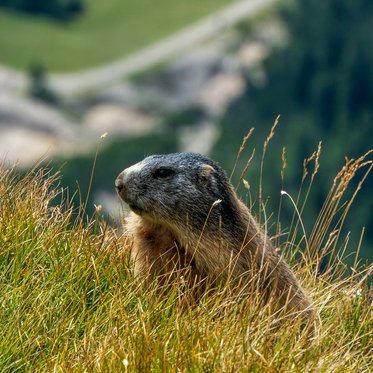
Marmot
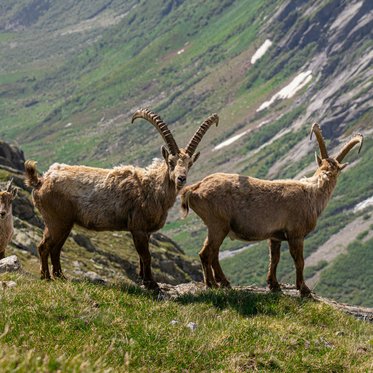
Capricorn
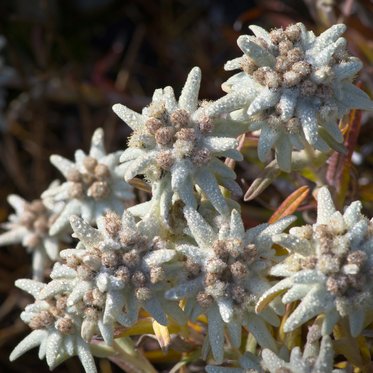
Edelweiss
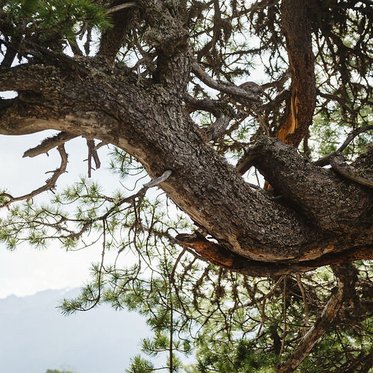
Swiss stone pine
Out and About in the Valley
Visitors to Gastein should be able to get around easily even without a car.
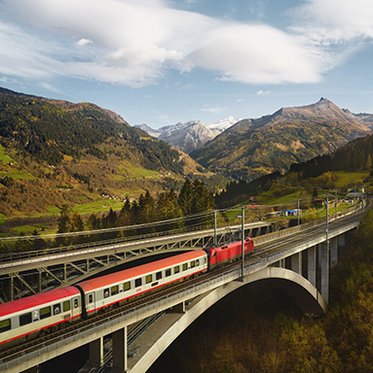
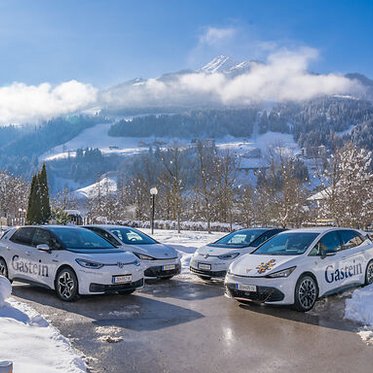
Arrive, hop on, and explore the valley—guests can easily reach the Gastein Valley by the Tauernbahn or by bus ( which runs every 15 minutes in the summer). Locally, e-city buses in Bad Hofgastein and the ski and hiking buses, which take guests directly to the trailheads in the mountains, provide the necessary transportation.
And best of all: The Guest Mobility Ticket ensures that all public transportation in the Salzburg region can be used free of charge .
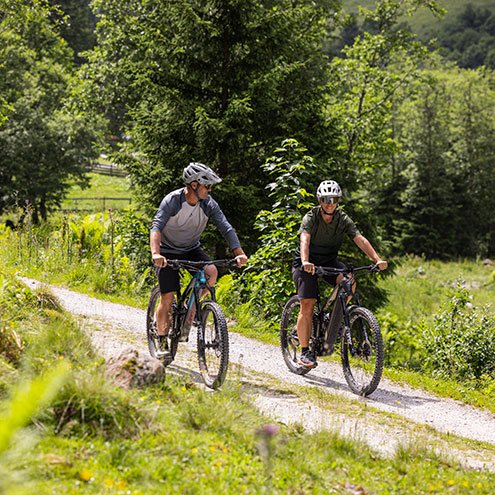
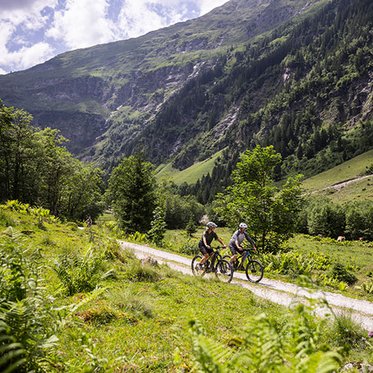
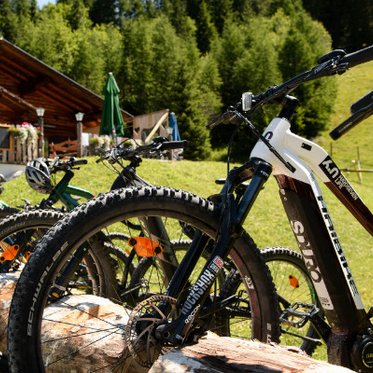
Those who prefer to get around on their own can take advantage of bike paths, bike rentals, and car-sharing services.
This allows you to explore Gastein in a variety of ways— you often don’t even need your own car while on vacation.

The Element of Water
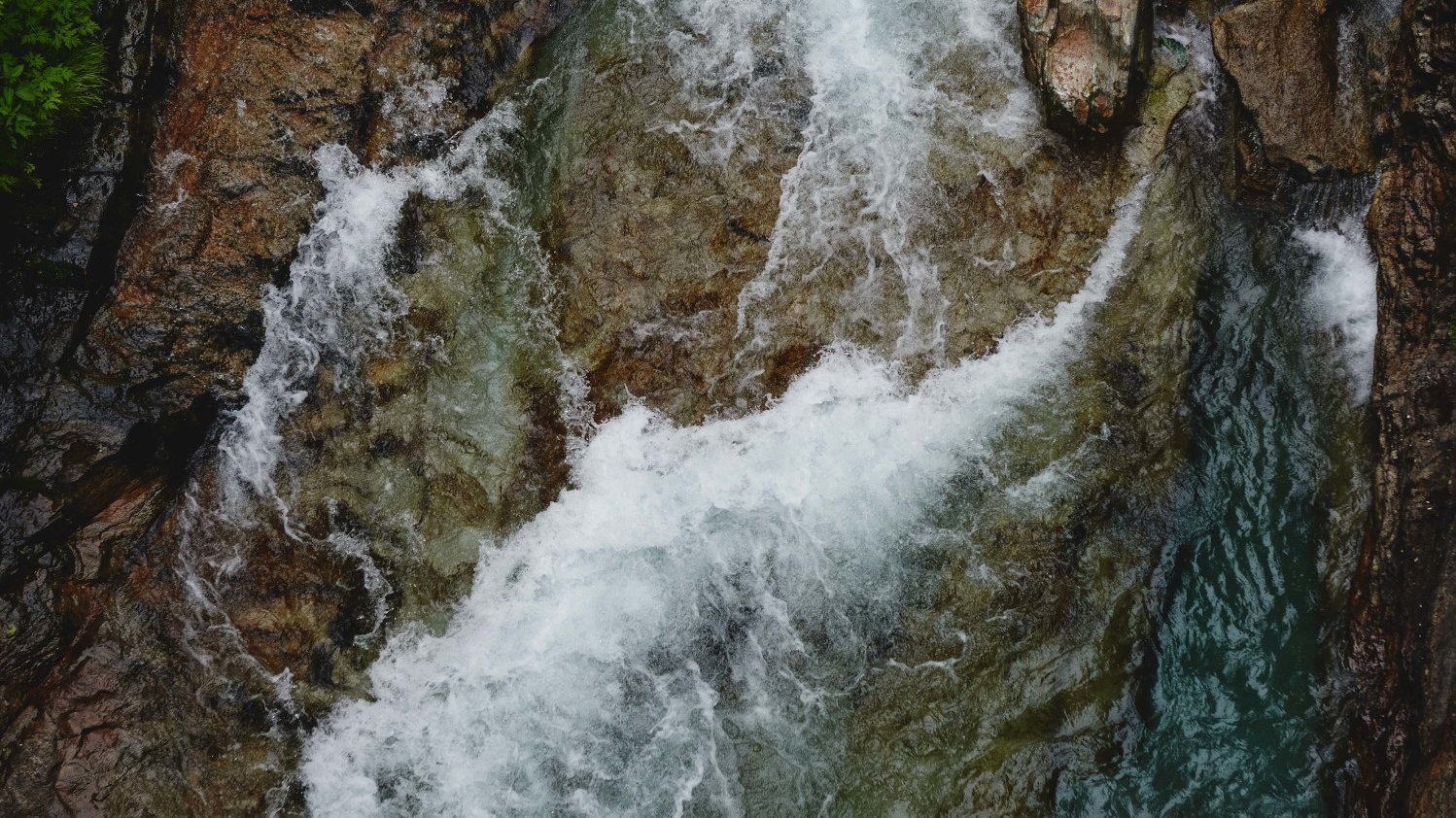
The world-famous Gastein water shapes Gastein in many ways—as drinking water, thermal water, a natural experience, and:
It not only promotes well-being but also provides energy.
Drinking water straight from the region
In Gastein, alpine drinking water comes straight from the tap. If you bring your own water bottle, you can refill it at drinking fountains along the way and avoid using additional single-use bottles.
Using Water Wisely
It’s worth being mindful of water use even while on vacation: when showering, changing towels, or simply in situations where water doesn’t need to run unnecessarily. Small habits can easily be incorporated into your stay.
Gastein Spring Days
At the Gastein Spring Days , everything revolves around thermal water.
Thermal water—a special resource
Gastein’s thermal water has shaped the valley for centuries and is closely associated with spa treatments, health, and relaxation.
At the same time, the heat it contains can also be put to further use. For example, some of the thermal water is used for heating, including for tourist infrastructure. The Alpentherme Bad Hofgastein, for instance, efficiently uses the thermal water for heating via smart heat recovery systems.
Hydropower in the Valley
Water plays a major role in energy production in Gastein.
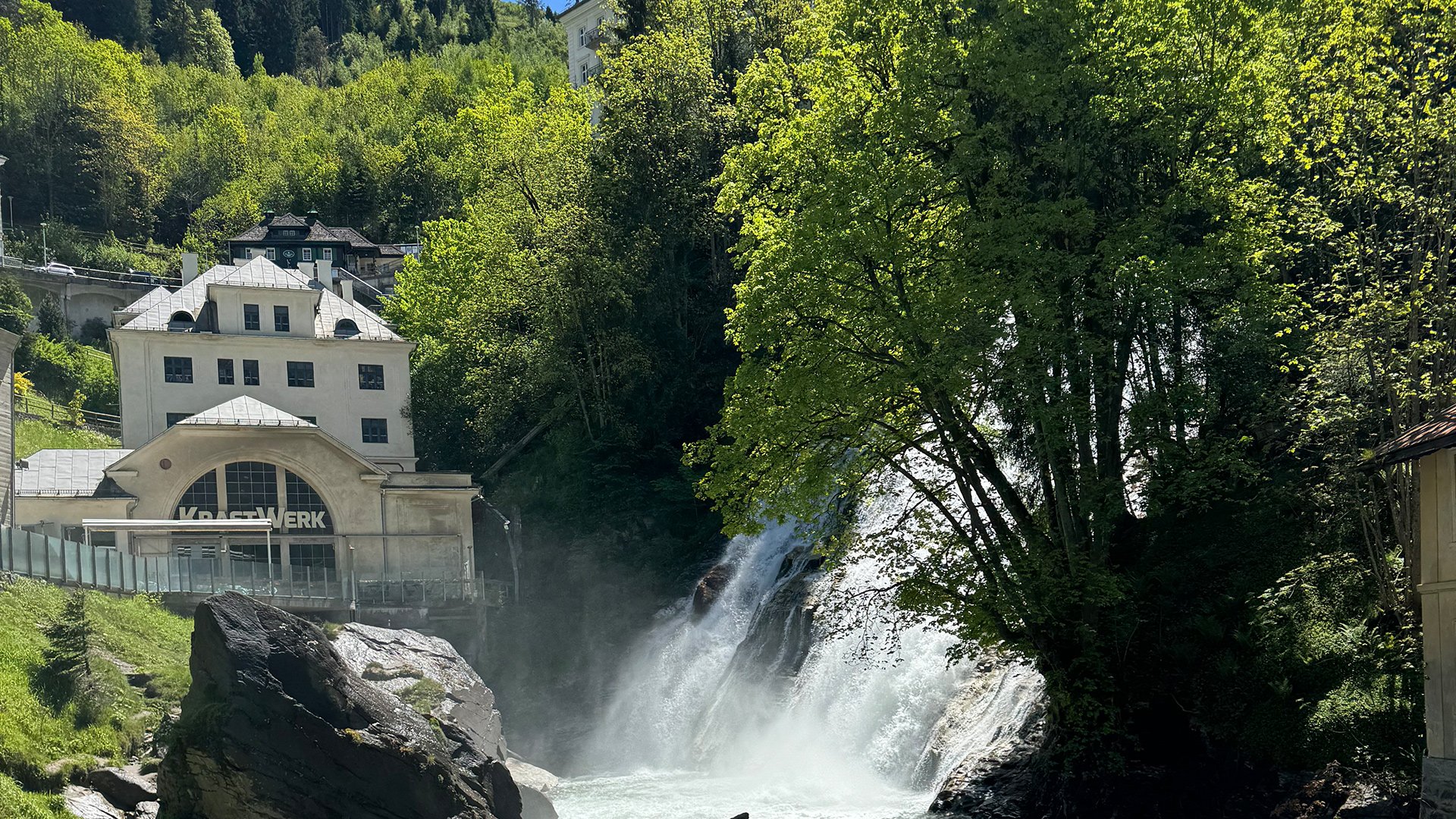
Several hydroelectric power plants in the valley use the available water resources to generate electricity, including facilities in Nassfeld, Böckstein, and Remsach.
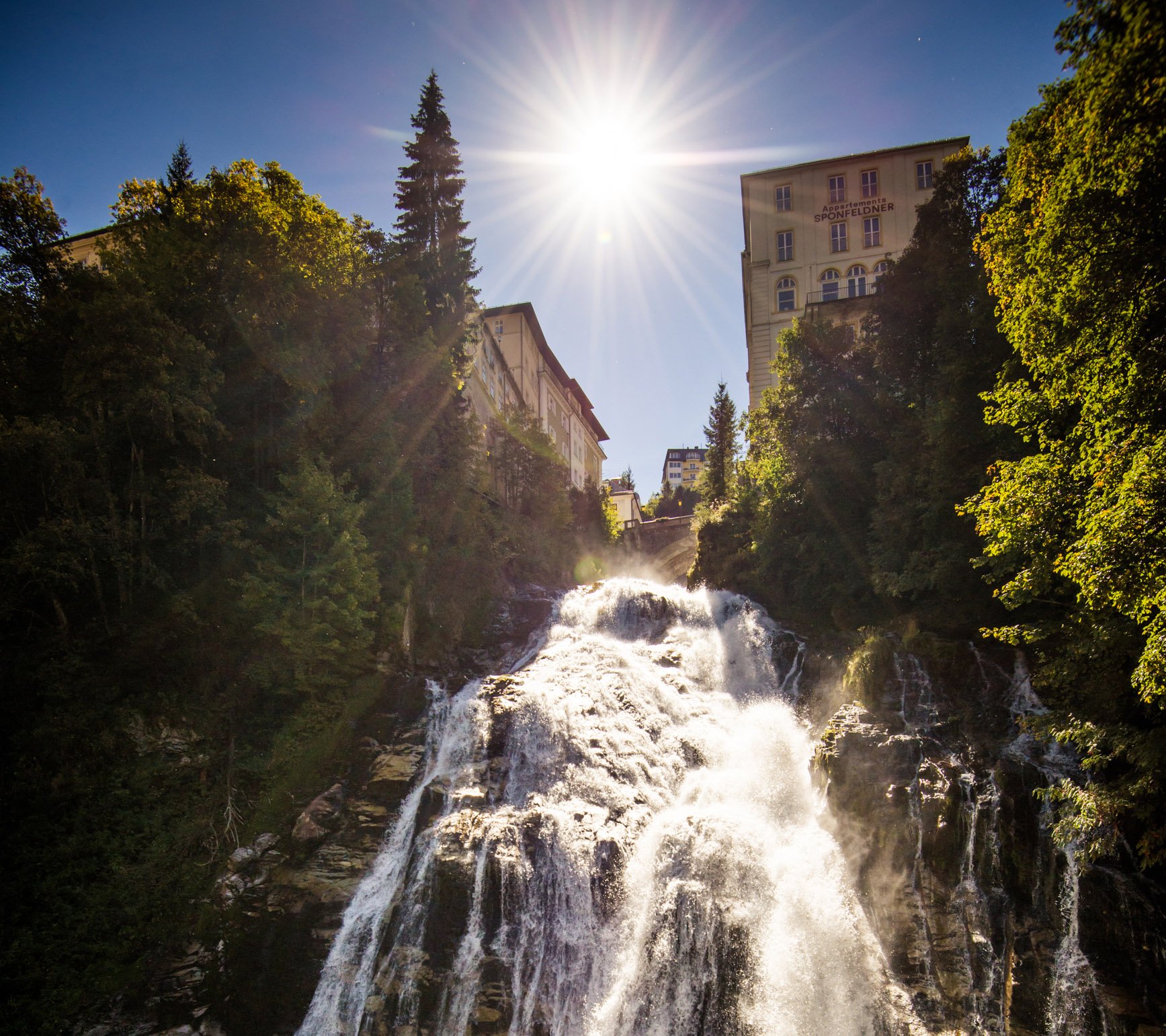
Another special site is the old hydroelectric power plant at the lowest tier of the Gastein Waterfall. It is a designated historic landmark and now serves as a café and exhibition space for sommer.frische.kunst.
Discover Nature Along the Way
There are many different ways to experience nature in Gastein . Some trails simply lead out into the countryside, while others offer more insight into the landscape, its plants, and its animals.
Bird Trail
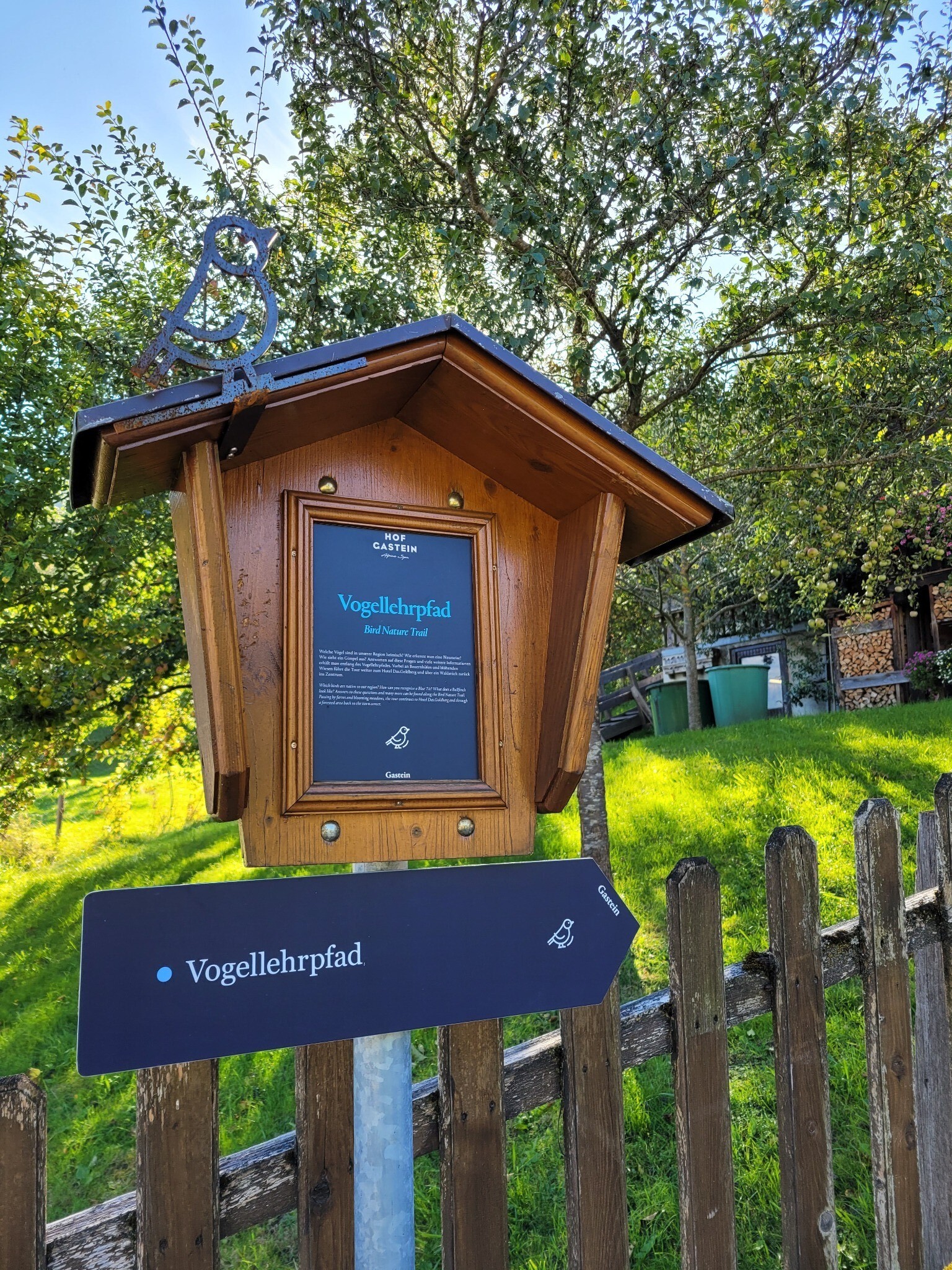
Learn more about local birdlife on the bird trail.
Agriculture Theme Trail
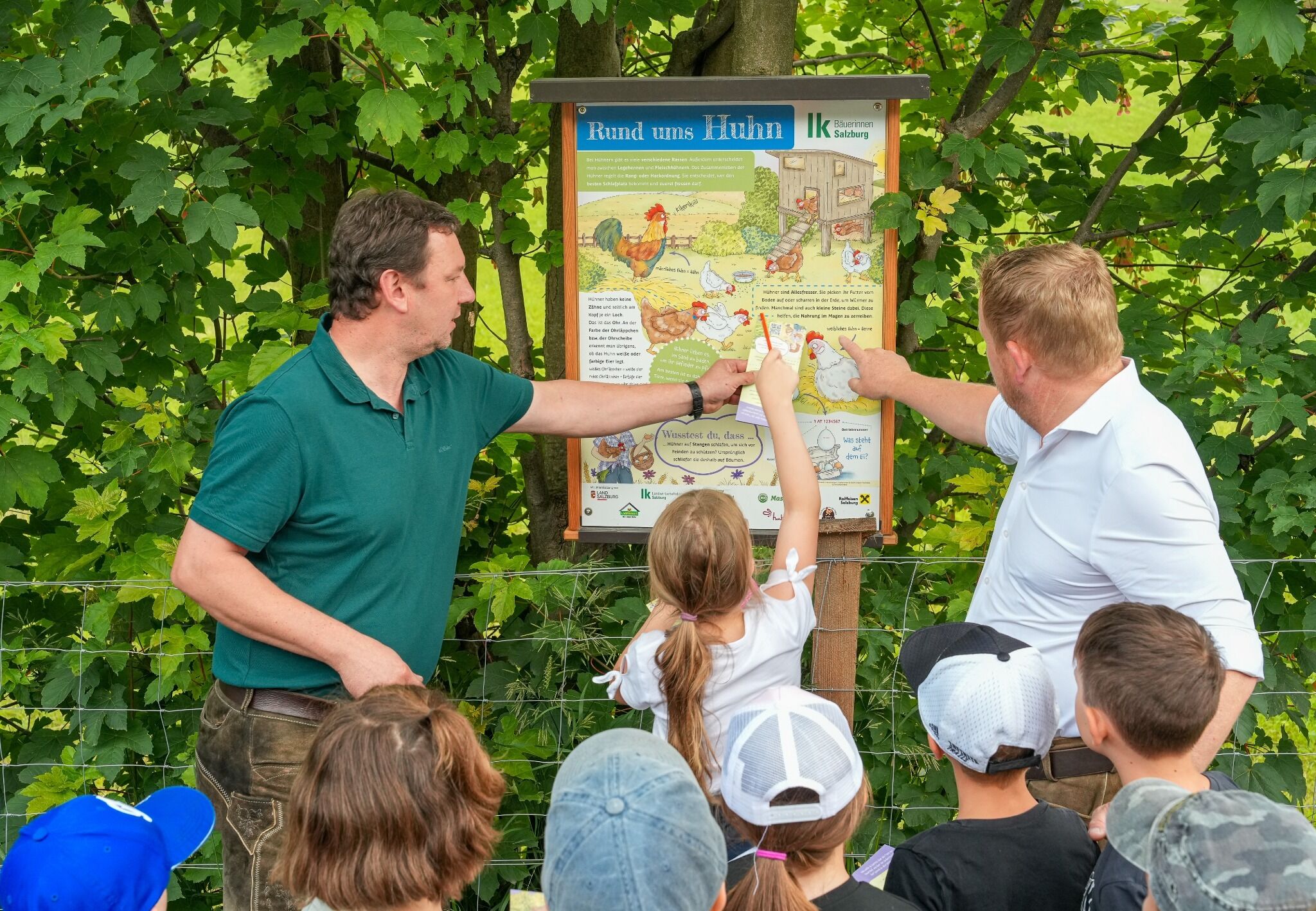
On the Agriculture Theme Trail, gain insights into everyday life on a farm—such as how much grass a cow eats, how often cows are milked, or how often a hen lays an egg.
Swiss Stone Pine Hiking Trail
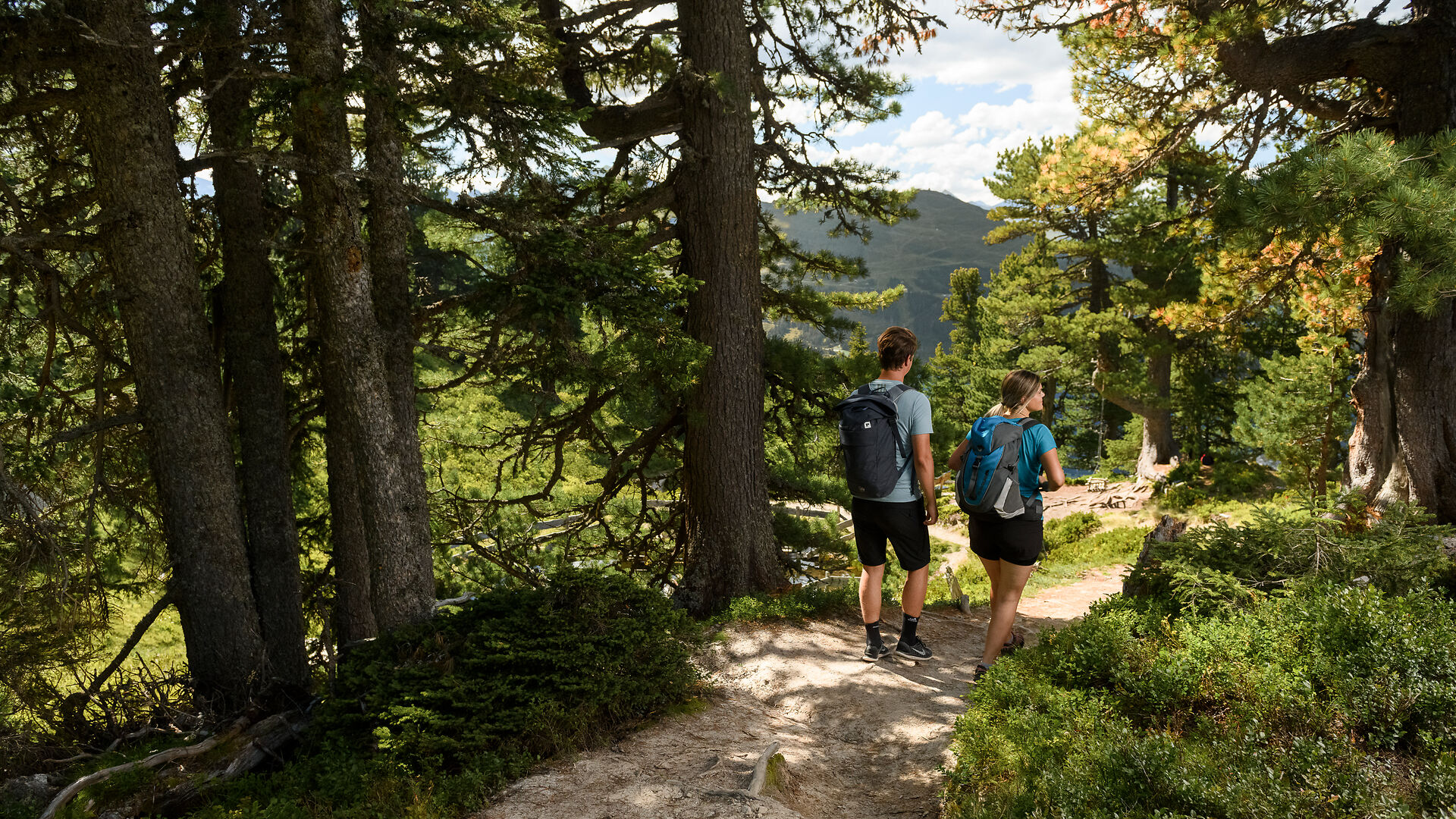
Take a hike along the Swiss Stone Pine Trail through the ancient Swiss stone pine forest on the Graukogel, pause for a moment, and enjoy the peace and tranquility of the forest.
Bee Nature Trail
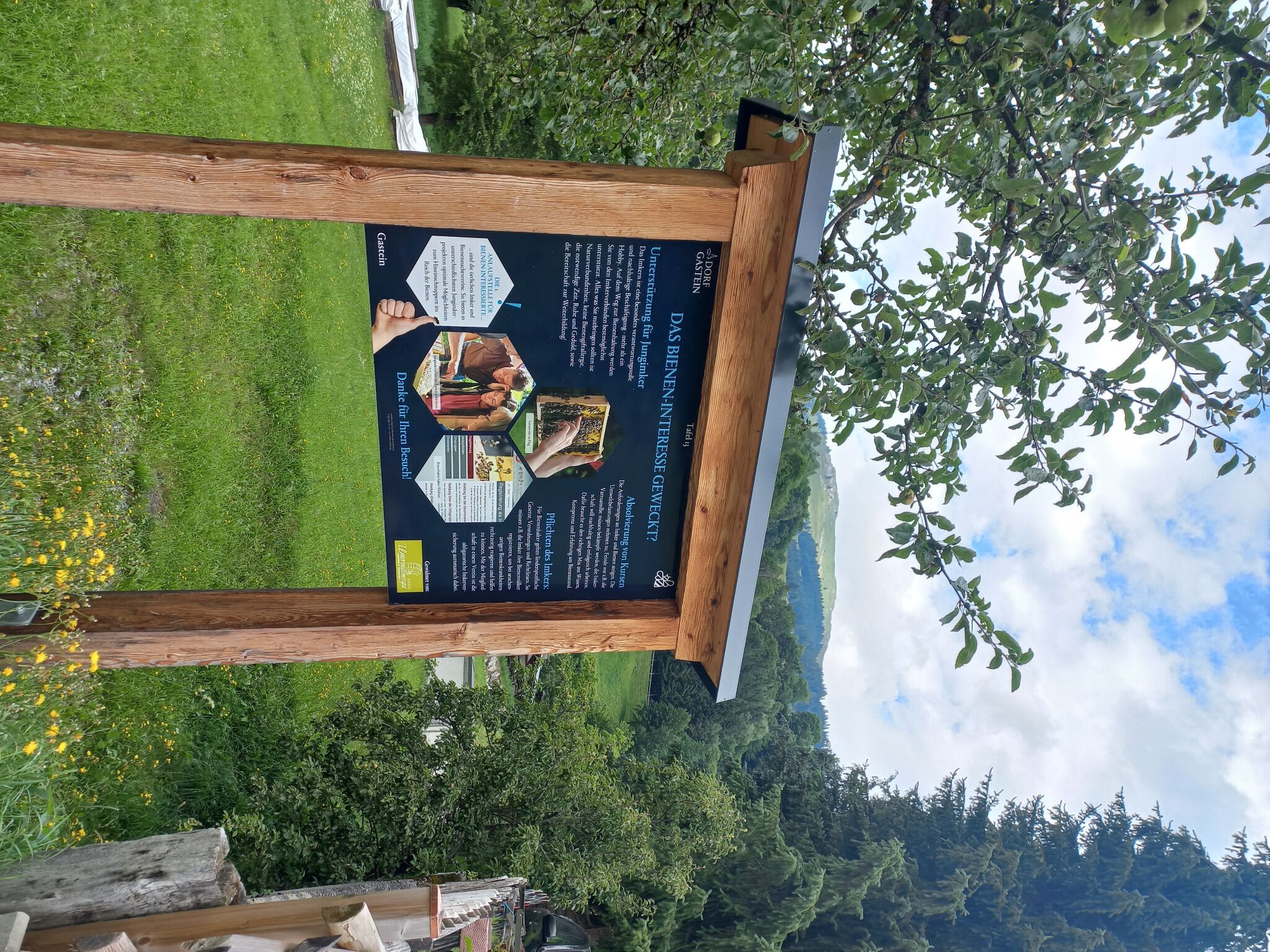
Take the Bee Trail to immerse yourself in the fascinating world of bees and learn more about their importance.
Nassfeld Nature Trail
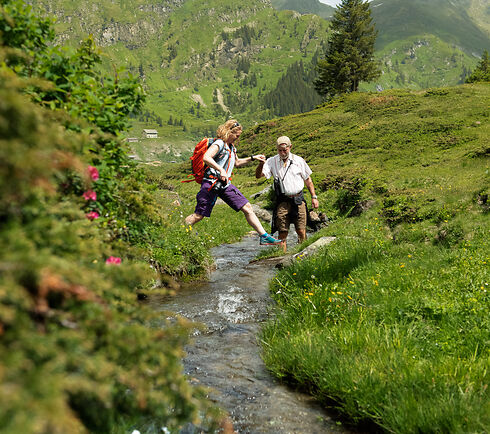
Discover the unique features of the landscape along the Nassfeld Nature Trail —from glaciers and bogs to flora and fauna.
Culture That Shapes the Valley
Gastein’s culturemanifests itself in many ways: in living traditions, music, and events; in regional cuisine; and in alpine pastures and agriculture, which continue to shape the valley to this day. Guests can experience this at festivals and concerts, as well as during a visit to an alpine pasture, while sampling regional products , or on trails that offer insights into agriculture and the landscape.
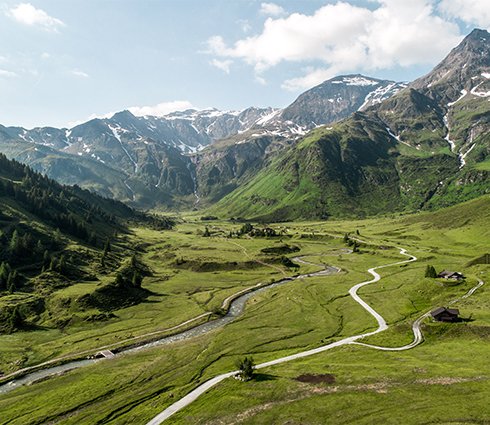
A notable example is the Nassfeldalpe in Sportgastein. As Salzburg’s largest alpine pasture, it is managed collectively and demonstrates how closely agriculture, the cultural landscape, and regional identity are intertwined . In the summer, the pasture is home to dairy cows, young cattle, horses, and around 1,500 sheep, among other animals. The milk is processed into cheese and butter right on site. Whether on a hike through Sportgastein, during a stop for refreshments, or at traditional alpine events, visitors can see and experience this way of farming firsthand .
Protecting Nature – Preserving Quality of Life
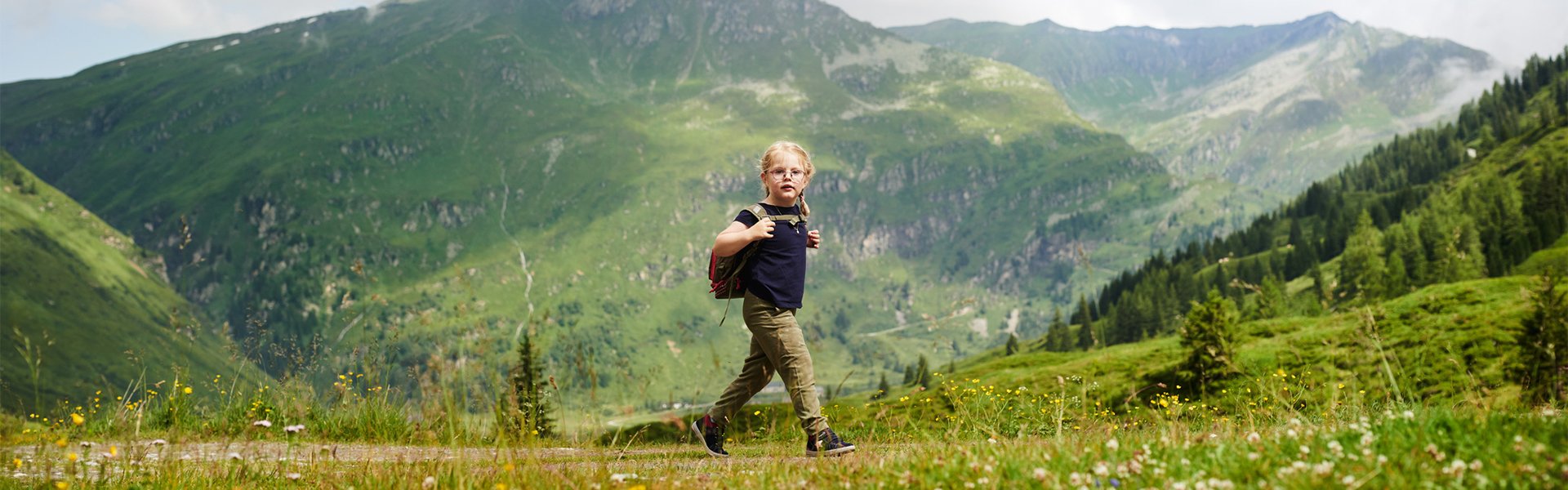
Whether through sustainable mountain tourism, respect for wildlife and nature, or close collaboration with the Hohe Tauern National Park, Gastein demonstrates that sustainability and adventure complement each other perfectly. After all, when you enjoy your time here mindfully, you help ensure that the valley remains a place of strength for future generations.
Your perspective matters: Do you have suggestions or ideas on howto make the Gastein Valley’s offeringseven more sustainable, or do you have questions on this topic? We’d love to hear from you!
Facts and Figures on Sustainable Development
For anyone interested in learning more about Gastein’s future development, we’ve compiled key data, goals, initiatives, and background information here.
In this way, we aim to transparently show where Gastein stands today, what has already been implemented, and what we will continue to work on in the coming years.
You might also be interested in